

In today’s digital world, data is one of the most valuable assets for any business. But raw data alone is not useful unless you can understand it clearly. That’s where dashboards play a powerful role. A professional dashboard development company helps businesses turn complex data into simple, visual reports that support better decision-making. However, choosing the right dashboard development company is not easy. There are many service providers in the market, and selecting the wrong one can waste time, money, and opportunities. In this guide, we will explain in simple words how to choose the right partner for your business needs. Why Your Business Needs a Dashboard Development Company Before selecting a service provider, you must understand why hiring a dashboard development company is important. A well-designed dashboard can: Without expert support, dashboards can become confusing or inaccurate. A professional company ensures your data is accurate, secure, and easy to understand. 1. Understand Your Business Requirements First Before contacting any company, define your goals clearly. Ask yourself: When your requirements are clear, it becomes easier to find a dashboard development company that specializes in your needs. 2. Check Experience and Expertise Not all companies offer the same level of expertise. A reliable dashboard development company should have: Ask for their portfolio or case studies. A good company will proudly show past projects and results. 3. Look for Custom Dashboard Solutions Every business is different. Avoid companies that only offer ready-made templates. A professional dashboard development company should: Custom dashboards give you better insights and long-term value. 4. Evaluate Technical Skills and Tools A modern dashboard development company should be skilled in popular tools like: Make sure the company can integrate dashboards with your existing systems. Smooth data integration is essential for accurate reporting. 5. Check Data Security Standards Data security is extremely important. Your dashboard development company will have access to sensitive business data. Ensure they: A trustworthy company always prioritizes data safety. 6. Understand Their Development Process A structured process ensures project success. Ask the dashboard development company about: Clear communication and proper planning show professionalism. 7. Focus on User-Friendly Design A dashboard is only useful if it is easy to understand. A good dashboard development company focuses on: Complicated dashboards reduce productivity. Choose a company that values usability. 8. Ask About Support and Maintenance Dashboard development is not a one-time job. Your business data will grow and change. A reliable dashboard development company should offer: Long-term support ensures your dashboard continues to perform efficiently. 9. Compare Pricing Carefully Price is important, but don’t choose only based on low cost. A cheap dashboard development company may: Instead, look for value for money. Ask for a detailed quotation that includes: Transparent pricing reflects professionalism. 10. Check Client Reviews and Testimonials Online reviews provide honest insights. Look for: A well-rated dashboard development company usually maintains high service standards. 11. Assess Communication and Responsiveness Good communication is essential for project success. Choose a company that: Poor communication can lead to misunderstandings and delays. 12. Consider Scalability for Future Growth Your business will grow over time. The company you choose should build scalable solutions. Your dashboard should: Scalable dashboards save you from rebuilding everything later. 13. Ask for a Demo or Sample Before finalizing, request a demo. A professional company can: This helps you understand their quality of work. 14. Check Industry Knowledge Industry experience matters a lot. A dashboard development company familiar with your industry understands: For example: Industry expertise leads to better results. 15. Look for Strategic Thinking, Not Just Development The best dashboard development company does more than just design charts. They help you: They act as a strategic partner, not just a service provider. Common Mistakes to Avoid While selecting a dashboard development company, avoid these mistakes: Avoiding these mistakes will help you choose the right partner confidently. Final Thoughts Choosing the right dashboard development company is a strategic decision for your business. The right partner will understand your goals, create customized solutions, ensure data security, and provide long-term support. Take your time, compare options, review portfolios, and ask the right questions. Remember, a dashboard is not just a reporting tool — it is a powerful system that drives business growth. When you partner with an experienced company, you transform raw data into meaningful insights that guide smart decisions and long-term success.

Top Benefits of Professional Power BI Dashboard Development Services
In today’s digital era, a lot of data is being generated by businesses on a daily basis. Sales figures, customer information, marketing analysis, website traffic, and financial statements – all of these and more generate data. However, data in its raw form is of no use for decision-making. What you need is proper reports and dashboards to make sense of what’s actually happening in your business. It is here that the role of power bi dashboard development services comes into play. Expert power bi dashboard development services can help businesses convert complex data into simple, interactive, and understandable dashboards. With proper dashboards, businesses can make decisions faster, perform better, and earn more profits. In this blog, we will discuss the best advantages of using expert dashboard development services in simple and easy-to-understand terms. What Are Power BI Dashboard Development Services? Microsoft Power BI is a powerful business intelligence tool that helps companies analyze and visualize their data. It allows you to connect different data sources, create reports, and build interactive dashboards. Power bi dashboard development services are professional services offered by experts who design, develop, and optimize Power BI dashboards according to business needs. Instead of using basic templates, professionals create custom dashboards that show the exact metrics and KPIs your business needs. 1. Clear and Easy Data Visualization One of the biggest benefits of power bi dashboard development services is clear data visualization. Raw data in Excel sheets can be confusing. Thousands of rows and numbers make it difficult to understand trends. Professional dashboards convert this data into: This makes it easy for managers and business owners to understand performance at a glance. When data is simple, decision-making becomes faster and more accurate. 2. Customized Dashboards for Your Business Every business is different. A retail company needs different reports compared to a manufacturing company. A marketing agency focuses on leads and conversions, while a finance company tracks revenue and expenses. Professional power bi dashboard development services create dashboards based on your specific goals. Experts analyze: Then they design dashboards that match your exact requirements. This level of customization ensures that you only see relevant data, not unnecessary information. 3. Real-Time Data Access In today’s competitive market, real-time data is very important. Professional power bi dashboard development services allow businesses to connect live data sources such as: With real-time dashboards, you don’t have to wait for manual reports. The data updates automatically. This helps businesses respond quickly to problems and opportunities. For example: 4. Better Decision Making Good decisions depend on accurate data. When businesses rely on guesswork, they take risks. But with professional power bi dashboard development services, you get reliable reports that show actual performance. Dashboards can show: With these insights, business leaders can: Better data leads to better decisions. 5. Time and Cost Savings Manual reporting takes a lot of time. Employees collect data from different systems, copy it into spreadsheets, create charts, and prepare reports. This process is slow and can lead to errors. Using professional power bi dashboard development services automates the reporting process. Benefits include: Once the dashboard is set up, reports can be generated automatically with updated data. This saves time and allows your team to focus on important tasks instead of preparing reports. 6. Improved Data Accuracy Data mistakes can lead to serious business losses. Professional power bi dashboard development services ensure that data is: Experts use proper data modeling techniques to avoid duplication and errors. This ensures that your dashboard always shows accurate and trustworthy information. 7. Easy Data Integration Most businesses use multiple software systems. For example: Professional power bi dashboard development services integrate all these systems into one central dashboard. This gives you a complete overview of your business in one place. Instead of checking multiple platforms, you can monitor everything from a single dashboard. 8. Interactive and User-Friendly Reports Modern dashboards are not just static reports. Professional power bi dashboard development services create interactive dashboards where users can: For example, a manager can click on a sales chart and see performance by region, product, or salesperson. This interactivity makes reporting more powerful and flexible. 9. Enhanced Data Security Data security is very important for every business. Professional power bi dashboard development services implement: This means employees can only see the data that is relevant to them. For example: This protects sensitive information and ensures data privacy. 10. Scalability for Growing Businesses As your business grows, your data also grows. Professional power bi dashboard development services design dashboards that can handle increasing data volumes. Whether you have: A properly designed dashboard will continue to perform smoothly. This makes it a long-term investment for your business. 11. Competitive Advantage Businesses that use data smartly always stay ahead of competitors. Professional power bi dashboard development services give you deep insights into: With these insights, you can make strategic decisions faster than competitors. Data-driven companies are more successful because they act based on facts, not assumptions. 12. Professional Design and Best Practices Many businesses try to build dashboards internally but face challenges like: Professional dashboard development services follow best practices in: Experts ensure that dashboards are not only functional but also visually appealing and easy to use. 13. Support and Maintenance Technology changes frequently. Business needs also evolve. Professional dashboard development services often include ongoing support such as: This ensures that your reporting system remains updated and aligned with your business goals. 14. Industry-Specific Solutions Different industries have different reporting needs. Professional power bi dashboard development services can create solutions for: Industry-specific dashboards help businesses track metrics that matter most in their sector. Final Thoughts Data is one of the most valuable assets of any business. But data alone is not enough. You need the right tools and expertise to convert data into meaningful insights. Professional power bi dashboard development services help businesses: If your business wants to grow using data-driven strategies, investing in professional power bi dashboard development services is a smart and future-ready decision. With the right dashboards, you

Why Choose Professional Web Development Services in Kolkata?
In today’s digital age, your website is the backbone of your online business. Whether you are a startup, an e-commerce business, or a well-established company, your customers search for you online before buying anything. A good website is the secret to gaining the trust of your visitors and turning them into customers. This is why choosing the best web development services in Kolkata is one of the smartest moves you can make for your business. Almost all business owners try to develop their own websites using free website builders or cheap website templates. Even though this seems like a very economical solution at first, these websites are mostly lacking in functionality, security, and organization. Professional web development services in Kolkata give long-term benefits to your business by developing a website that loads quickly, is secure, scalable, and optimized for growth. Now, let us discuss why you should choose professionals for the success of your business. First Impression Your website is often the first interaction people have with your brand. Within seconds, visitors decide whether they trust your business or not. A poorly designed website with outdated layouts or slow speed can push potential customers away. On the other hand, a modern and professional website makes your business look reliable and credible. Professional web development services in Kolkata focus on clean design, attractive visuals, and user-friendly layouts. They ensure that your website reflects your brand identity and creates a positive first impression. When customers feel confident about your website, they are more likely to contact you or purchase your products and services. Customized Solutions Every business has different goals and requirements. A real estate company, a school, a restaurant, and an e-commerce store all need different types of websites. Using a common template cannot fully meet these unique needs. Professional web development services in Kolkata create customized websites according to your business model and target audience. Customization allows your website to include specific features that improve user experience and functionality. It also helps you stand out from competitors who may be using generic website designs. A customized website gives your brand a unique online identity. Mobile-Friendly and Responsive Design Today, most users browse the internet using their smartphones. If your website does not work properly on mobile devices, you are likely losing a large number of potential customers. A professional website must adjust smoothly to different screen sizes and devices. Expert web development services in Kolkata ensure that your website is fully responsive. This improves user experience, increases engagement, and reduces bounce rates. Google also prefers mobile-friendly websites, which helps improve your search engine rankings. A responsive website is essential for modern business growth. SEO-Optimized Structure Having a website is not enough if people cannot find it online. Search engine optimization plays a major role in increasing visibility. Professional web development services in Kolkata build websites with SEO best practices in mind. They focus on clean coding, fast loading speed, proper structure, and optimized content layout. An SEO-friendly website improves your chances of ranking higher on Google. When your website appears in search results, you receive more traffic and more potential leads. Starting with a strong technical foundation makes digital marketing efforts more effective in the long run. Website Security Online security is a serious concern for businesses today. Hackers often target websites that do not have proper protection. A security breach can damage your reputation and cause financial loss. Professional web development services in Kolkata prioritize website security to protect your business and customer data. Secure hosting, SSL certificates, regular updates, and safe coding practices help prevent cyber threats. When customers see that your website is secure, they feel confident sharing their information or making payments. Security builds trust and strengthens your brand image. Website Performance Website speed directly affects user experience. If a website takes too long to load, visitors leave immediately. Slow websites also rank lower on search engines. Professional web development services in Kolkata optimize your website for speed and performance. Optimized images, clean code, and proper server configuration help your website load quickly. A fast website keeps visitors engaged and increases the chances of conversion. Speed is a critical factor for both user satisfaction and SEO performance. Ongoing Support and Maintenance A website is not a one-time project. It requires regular updates, technical monitoring, and improvements. Without proper maintenance, websites can face errors, broken links, and security issues. Professional web development services in Kolkata offer ongoing support to ensure your website runs smoothly. Regular updates and monitoring help your website stay secure and efficient. Having expert support gives you peace of mind and allows you to focus on running your business instead of dealing with technical problems. Return on Investment Some business owners hesitate to invest in professional development because they focus only on initial costs. However, a professionally developed website provides better return on investment over time. It attracts more visitors, generates more leads, and improves customer trust. By choosing web development services in Kolkata, you reduce the risk of technical issues and frequent redesign costs. A high-quality website performs better and contributes directly to business growth. The long-term benefits far outweigh the initial investment. Understanding the Local Market One advantage of hiring web development services in Kolkata is local expertise. Developers based in Kolkata understand the regional market, customer preferences, and competition. This knowledge helps them create websites that connect better with the local audience. Communication is also easier when working with a local agency. You can discuss ideas clearly and build a stronger working relationship. Local understanding adds value to your overall online strategy. Integration with Digital Marketing Your website works as the center of your digital marketing efforts. Whether you are running social media campaigns, SEO strategies, or paid advertisements, your website plays a key role in converting visitors into customers. Professional web development services in Kolkata ensure smooth integration with marketing tools and analytics systems. This integration allows you to track user behavior, measure performance, and improve marketing strategies. A

How to Choose the Best Digital Marketing Services in Australia
In today’s competitive online world, every business needs strong digital marketing to grow. Whether you run a small local company or a large brand, choosing the right digital marketing services in Australia can make a big difference in your success. But with so many agencies offering SEO, social media, paid ads, and website development, how do you decide which one is right for your business? In this complete guide, we will explain in simple words how to choose the best digital marketing services in Australia so you can invest your money wisely and see real results. Why Digital Marketing Matters in Australia Australia has a highly connected population. Cities like Sydney, Melbourne, Brisbane, Perth, and Adelaide have strong online competition across industries. Customers search on Google, scroll social media, watch videos, and read reviews before buying anything. That is why professional digital marketing services in Australia help businesses: If your marketing is not strong, your competitors will take your customers. Step 1: Understand Your Business Goals Before selecting any digital marketing services in Australia, you must be clear about your goals. Ask yourself: Different goals require different strategies. For example: Clear goals help you choose the right digital marketing partner. Step 2: Check Their Services Not all agencies offer complete digital marketing services in Australia. Some only focus on social media. Others only do SEO. Look for agencies that provide: A full-service agency can handle everything under one roof. This saves time and ensures your strategy works together. Step 3: Check Their Experience in the Australian Market Australia has its own market behavior and customer preferences. An agency experienced in digital marketing services in Australia understands: For example, ranking for keywords in Sydney is different from ranking in Perth. A good agency understands these local differences. Always ask: Step 4: Look at Their Website and Online Presence A digital marketing company should practice what it preaches. Before hiring digital marketing services in Australia, check: If they cannot market themselves properly, they may not market your business effectively. Step 5: Understand Their SEO Strategy SEO is one of the most important parts of digital marketing services in Australia. But SEO takes time and proper strategy. Ask them: Be careful of agencies that promise “#1 ranking in 7 days.” SEO is a long-term process. Real professionals focus on steady growth. Step 6: Ask About Reporting and Transparency Good digital marketing services in Australia always provide clear reports. You should receive: Transparency builds trust. If an agency avoids sharing data, that is a red flag. Step 7: Compare Pricing (But Don’t Choose the Cheapest) Many businesses make the mistake of choosing the cheapest digital marketing services in Australia. Cheap services often mean: Instead of focusing only on price, look at value. Ask: Remember, digital marketing is an investment, not an expense. Step 8: Check Communication and Support Communication is very important when choosing digital marketing services in Australia. Ask yourself: If communication is poor in the beginning, it may become worse later. Step 9: Read Reviews and Testimonials Before finalizing digital marketing services in Australia, check reviews on: Real client feedback gives you a better idea of their reliability and performance. Step 10: Avoid Agencies That Make Unrealistic Promises Some agencies promise: Digital marketing takes time and strategy. Professional digital marketing services in Australia focus on realistic growth and long-term success. If it sounds too good to be true, it probably is. Questions to Ask Before Hiring Before selecting digital marketing services in Australia, ask these questions: These questions help you avoid future problems. Signs You Found the Right Agency You have chosen the right digital marketing services in Australia if: Final Thoughts Choosing the best digital marketing services in Australia is one of the most important decisions for your business growth. Do not rush the process. Take time to: The right agency will not only increase your traffic but also grow your revenue and brand reputation. Invest wisely, focus on long-term results, and partner with professionals who truly understand digital marketing services in Australia and the Australian market. When you choose the right team, your business can grow faster, stronger, and more profitably in 2026 and beyond.

What Are the Key Ranking Factors in Voice Search Optimization?
Voice search is no longer a future trend-it’s already part of our daily lives. People now ask their phones, smart speakers, and virtual assistants questions instead of typing them. From asking “What’s the best digital marketing agency near me?” to “How do I improve my website SEO?”, voice search is changing how users search online. Because of this shift, voice search optimization has become an important part of modern SEO. If your website is not optimized for voice search, you could be missing out on a huge amount of traffic. In this blog, we’ll break down the key ranking factors in voice search optimization in simple words so anyone can understand and apply them. What Is Voice Search Optimization? Voice search optimization is the process of optimizing your website and content so it appears in voice-based search results. These searches are done using tools like Google Assistant, Siri, Alexa, and Cortana. Unlike text searches, voice searches are: For example: To succeed, your SEO strategy must adapt—and that’s where voice search optimization comes in. Why Voice Search Optimization Matters for SEO Voice search is growing fast. Studies show that a large percentage of mobile users now use voice commands daily. This means search engines are prioritizing voice-friendly content more than ever. Here’s why voice search optimization is important: Now let’s dive into the key ranking factors you must focus on. 1. Conversational and Natural Language Content One of the most important ranking factors in voice search optimization is natural language. People speak differently than they type. Voice searches sound more like real conversations. Your content should match that style. How to optimize: Example:Instead of writing: “Voice search ranking factors” Write: “What are the most important ranking factors for voice search optimization?” Search engines prefer content that sounds human. 2. Focus on Question-Based Keywords Most voice searches start with who, what, where, when, why, and how. That’s why question-based keywords play a huge role in voice search optimization. How to optimize: This makes it easier for search engines to pick your content as a voice answer. 3. Featured Snippets Are Critical Voice assistants often read answers directly from featured snippets (also known as position zero). If your content appears in a featured snippet, your chances of ranking in voice search increase massively. How to optimize for featured snippets: Winning featured snippets is a core part of successful voice search optimization. 4. Page Speed and Website Performance Speed matters-a lot. Voice search users want instant answers. If your website is slow, search engines won’t recommend it. How speed affects voice search optimization: How to improve speed: A fast website is a strong ranking factor in voice search optimization. 5. Mobile-Friendliness Is Non-Negotiable Most voice searches happen on mobile devices. If your website is not mobile-friendly, you’re already behind. Mobile optimization tips: Google uses mobile-first indexing, which directly impacts voice search optimization success. 6. Strong Local SEO Signals A huge percentage of voice searches are local, such as: Local SEO is a major ranking factor in voice search optimization. How to improve local voice rankings: If you want voice search traffic, local optimization is essential. 7. Structured Data and Schema Markup Structured data helps search engines understand your content better. This is extremely helpful for voice search optimization. Schema markup tells search engines: Common schema types for voice search: Using structured data increases your chances of being selected as a voice search result. 8. High-Quality, Clear Answers Voice assistants prefer accurate, trustworthy, and simple answers. Your content should: Search engines want to give users the best possible answer. High-quality content is a long-term ranking factor in voice search optimization. 9. Optimize for Long-Tail Keywords Voice searches are longer than typed searches. That’s why long-tail keywords are extremely important. Example: How to optimize: Long-tail keywords improve relevance in voice search optimization. 10. Secure Website (HTTPS) Security is a ranking signal for Google, including voice search. Websites with HTTPS are trusted more by search engines and users. Why HTTPS matters: A secure site supports better voice search optimization results. 11. Authority and Trustworthiness Search engines prefer content from trusted sources. This is especially true for voice search, where only one answer is given. To build authority: Authority helps search engines confidently choose your content for voice search optimization. 12. Use Simple and Easy Words Voice search users want quick and clear answers-not complex language. Content tips: Easy-to-read content performs better in voice search optimization. Final Thoughts Voice search is reshaping the SEO landscape. As more people rely on voice assistants, businesses must adapt their strategies to stay competitive. To succeed with voice search optimization, focus on: By applying these key ranking factors, you can improve your visibility, attract more organic traffic, and future-proof your SEO strategy. Voice search isn’t coming-it’s already here. The sooner you optimize, the better your chances of staying ahead.

How to Choose the Best Digital Marketing Company in UK
Choosing the right Digital Marketing Company in UK can be the difference between steady business growth and wasted marketing budgets. With thousands of agencies offering SEO, PPC, social media marketing, and web development services, making the right choice can feel overwhelming. The UK is one of the most competitive digital markets in the world. Businesses here don’t just need marketing—they need strategic, data-driven, and ROI-focused digital marketing. That’s why selecting the right digital marketingpartner is critical. In this blog, we’ll guide you step by step on how to choose the best Digital Marketing Company in UK, what factors to consider, red flags to avoid, and how to ensure long-term success for your business. Why Hiring the Right Digital Marketing Company in UK Matters A professional Digital Marketing Company in UK understands: Unlike generic agencies, a UK-focused digital marketing company can create strategies tailored to British audiences, ensuring higher engagement, better conversions, and stronger brand trust. Understand Your Business Goals First Before choosing any Digital Marketing Company in UK, you must be clear about your own goals. Ask yourself: When your goals are clear, it becomes easier to evaluate whether a digital marketing company aligns with your needs. Check Their Core Digital Marketing Services Not all agencies offer the same services. The best Digital Marketing Company in UK should provide a complete range of solutions, such as: A full-service digital marketing company ensures consistency across all marketing channels. Evaluate Their Experience in the UK Market Experience matters—especially in a competitive market like the UK. When reviewing a Digital Marketing Company in UK, check: A company with proven UK experience understands local SEO, regional targeting, and customer expectations better than overseas agencies with no market familiarity. Analyze Their SEO Expertise Carefully SEO is the backbone of digital marketing. A reliable Digital Marketing Company in UK should follow ethical, white-hat SEO practices. Look for: Avoid agencies that promise “instant rankings” or “#1 position guaranteed.” Genuine SEO takes time and strategy. Review Case Studies and Client Testimonials A trustworthy Digital Marketing Company in UK will always have real case studies and testimonials. Pay attention to: Authentic testimonials and long-term client relationships indicate reliability and consistent performance. Transparency in Strategy and Reporting Transparency is a key quality of the best Digital Marketing Company in UK. They should clearly explain: You should never feel confused about where your marketing budget is going. Custom Strategy vs One-Size-Fits-All Packages Every business is different. A professional Digital Marketing Company in UK creates custom strategies, not generic packages. Be cautious if an agency: Personalized strategies always outperform template-based marketing. Communication and Support Quality Strong communication is essential for long-term success. Choose a Digital Marketing Company in UK that: Clear communication builds trust and ensures smoother collaboration. Pricing and Value for Money Cost matters—but cheapest is not always best. A reliable Digital Marketing Company in UK focuses on value, not just price. Consider: Investing in the right digital marketing company saves money in the long run. Data-Driven and Performance-Focused Approach Modern digital marketing is driven by data. The best Digital Marketing Company in UK uses: Data helps optimize campaigns continuously and ensures better decision-making. Knowledge of Latest Digital Marketing Trends Digital marketing evolves rapidly. A strong Digital Marketing Company in UK stays updated with: Up-to-date agencies protect your business from outdated strategies. Red Flags to Avoid When Choosing a Digital Marketing Company in UK Avoid agencies that: Choosing the wrong digital marketing company can damage your brand and online visibility. Why Long-Term Partnership Matters Digital marketing is not a one-time task—it’s an ongoing process. A reliable Digital Marketing Company in UK focuses on: Strong partnerships lead to consistent success. Final Thoughts Choosing the best Digital Marketing Company in UK requires careful research, clear goals, and strategic thinking. The right agency becomes an extension of your business, helping you grow visibility, leads, and revenue in an increasingly competitive market. Take your time, ask the right questions, and partner with a digital marketing company that prioritizes strategy, transparency, and results. A smart choice today can define your business success for years to come.

Zero Click Searches: How to Win Traffic Without Website Visits
The way people search online has changed dramatically. Earlier, ranking on Google meant one clear goal: get users to click your website link. Today, that goal is no longer enough. Welcome to the era of zero click searches—where users get answers directly on the search results page without clicking any website. At first, this sounds scary for businesses and marketers. If users don’t visit your website, how will you get traffic, leads, or sales? The truth is: zero click searches are not the end of SEO. They are an evolution. Brands that understand this shift can still win visibility, trust, and conversions—often faster than before. In this blog, we’ll break down: What Are Zero-Click Searches? A zero-click search happens when a user’s query is answered directly on the search engine results page (SERP), so they don’t need to click any website. Examples include: For example: In all these cases, Google provides the answer instantly. Why Zero-Click Searches Are Increasing Zero click searches are growing fast, and there are clear reasons behind it. 1. Google’s Focus on User Experience Google wants users to get answers as quickly as possible. The faster users get what they want, the more they trust Google. 2. Mobile Search Dominance Most searches now happen on mobile. Users prefer quick answers instead of visiting multiple pages. 3. Voice Search & AI Assistants Voice assistants like Google Assistant rely heavily on instant answers, which naturally supports zero-click results. 4. Rich SERP Features Google keeps adding features like: These features reduce the need for website clicks. Does Zero-Click Search Mean SEO Is Dying? Absolutely not. SEO is changing, not dying. Earlier SEO focused on: Modern SEO focuses on: Winning SEO today means being visible everywhere users search, not only on your website. Why Zero-Click Searches Can Be Good for Your Brand Many businesses see zero click searches as a loss. Smart marketers see them as an opportunity. Benefits of Zero-Click Visibility: Even if users don’t click your website, they still: This builds long-term value. How to Win Traffic Without Website Visits Now let’s get into the most important part—strategies you can use to benefit from zero click searches. 1. Optimize for Featured Snippets Featured snippets appear at the very top of Google results and answer questions directly. How to Optimize: Even without a click, your brand becomes the first trusted source users see. 2. Master Google Business Profile (Local SEO) For local businesses, Google Business Profile is more powerful than a website. Key Optimization Tips: Many users call, message, or visit directly from Google—without ever visiting a website. 3. Win the “People Also Ask” Section The “People Also Ask” (PAA) box is a goldmine for visibility. Strategy: Appearing multiple times in PAA increases authority and keeps your brand visible throughout the search journey. 4. Build a Strong Brand Presence When users trust your brand, they don’t need to click every time. Focus on: Strong brands win even in zero-click environments. 5. Optimize for Branded Searches Branded searches like: These searches lead directly to conversions. How to Increase Branded Searches: Zero click searches still reinforce your brand name in the user’s mind. 6. Use Structured Data & Schema Markup Schema helps search engines understand your content better. Benefits: Schema increases visibility and trust—even if users don’t click through. 7. Leverage Social Media as a Search Engine Social platforms are becoming search engines themselves. Users search on: Optimize your content for social discovery, not just website traffic. 8. Focus on Conversion-Focused SERP Actions Users can now: Optimize your digital presence so users can take action without visiting your site. How Zero-Click Searches Impact Content Strategy Your content strategy must shift from: “Get clicks”to“Provide value instantly” Content That Works Best: The goal is clarity, not clickbait. Measuring Success in a Zero-Click World Traditional metrics like traffic alone are no longer enough. Track: Visibility is the new currency. The Future of Zero-Click Searches Zero click searches will continue to grow due to: Businesses that adapt early will dominate visibility. Those who rely only on website traffic will struggle. Final Thoughts Zero click searches are not a threat—they’re an opportunity. The brands that win in 2026 and beyond are those that: If users remember your brand, trust your expertise, and choose you—even without visiting your website—you’ve already won.

Social Commerce: How Instagram & Facebook Are Becoming Marketplaces
The way people shop online is changing faster than ever. Today, customers don’t want to leave their favorite social media apps to buy products. They want to discover, explore, and purchase—all in one place. This shift has given rise to a powerful trend known as Social Commerce. Social media platforms are no longer just for likes, comments, and shares. They are now full-fledged shopping destinations. Businesses that understand and adopt this trend are gaining more visibility, higher engagement, and better sales results. In this blog, we’ll explain how Instagram and Facebook are transforming into marketplaces, and how businesses can use this opportunity to grow. What Is Social Commerce? Social commerce means selling products directly through social media platforms. Instead of redirecting users to a separate website, customers can browse products, check prices, read reviews, and complete purchases without leaving the app. Its highlights this shift where social media and eCommerce merge into one smooth experience. This approach reduces friction, saves time, and feels more natural to users—especially mobile shoppers. Why Social Commerce Is Growing So Fast Social commerce is growing because of changing consumer behavior. People spend hours every day on social media, scrolling through content, watching videos, and engaging with brands. Here are some key reasons why it is a major digital marketing trend: Social media platforms noticed this behavior and built tools that turn browsing into buying. How Instagram Is Becoming a Marketplace Instagram has evolved from a photo-sharing app into a powerful shopping platform. Today, brands can set up full stores inside Instagram. Instagram Shops Instagram Shops allow businesses to create a digital storefront on their profile. Users can explore products, tap on items, and see details without leaving the app. This is a major example of Social Commerce in action. Shoppable Posts and Reels Brands can tag products directly in posts, stories, and reels. When users tap on a product tag, they can see pricing and purchase options instantly. Shoppable content blends naturally with entertainment, making shopping feel less like advertising. Influencer-Driven Shopping Influencers play a big role in Instagram commerce. When creators tag products in their content, followers are more likely to trust and buy them. This combination of influence and convenience strengthens Social Commerce. How Facebook Is Turning Into a Shopping Hub Facebook remains one of the strongest platforms for online selling, especially for businesses targeting local and global audiences. Facebook Shops Facebook Shops allow businesses to showcase their products directly on their Facebook page. Customers can browse collections, message sellers, and make purchases easily. This feature supports the core idea behind this is shopping without interruption. Marketplace and Groups Facebook Marketplace connects buyers and sellers in local communities. Additionally, Facebook Groups help businesses promote products to niche audiences with shared interests. These features make Facebook a complete commerce ecosystem. Integrated Messaging for Sales With Messenger and WhatsApp integration, businesses can answer queries, send product links, and close sales in real time. This personal interaction boosts trust and conversions. Benefits of Social Commerce for Businesses Adopting Social Commerce offers several advantages for businesses of all sizes. Higher Engagement Shoppable content encourages interaction. Likes, shares, comments, and saves increase visibility and organic reach. Better Conversion Rates Fewer steps in the buying journey mean fewer drop-offs. Customers can move from discovery to purchase instantly. Mobile-First Experience Social commerce is designed for mobile users, which aligns perfectly with modern shopping habits. Stronger Brand Trust User-generated content, reviews, and influencer endorsements build credibility and confidence. How Social Commerce Improves Customer Experience Customer experience is at the heart of Social Commerce. Instead of forcing users to visit multiple pages, social commerce provides: This seamless experience increases customer satisfaction and repeat purchases. Role of Content in Social Commerce Success Content plays a major role in social commerce performance. High-quality visuals, short videos, and storytelling drive buying decisions. To succeed with in Instagram & Facebook, brands should focus on: Content should feel authentic, not overly promotional. Importance of Paid Ads in Social Commerce Organic reach alone is not enough. Paid advertising boosts visibility and accelerates results. Instagram and Facebook ads allow businesses to: Paid campaigns strengthen Instagram & Facebook by reaching the right customers at the right time. Challenges of Social Commerce While social commerce offers many benefits, it also comes with challenges. High Competition More brands are entering social commerce, making it harder to stand out. Platform Dependency Businesses rely heavily on platform algorithms and policies. Trust and Security Concerns Some users hesitate to make purchases directly through social apps. However, with the right strategy, these challenges can be managed effectively. Best Practices for Social Commerce Success To fully benefit from Social Commerce, businesses should follow these best practices: A data-driven approach ensures long-term success. Social Commerce for Small and Local Businesses Social commerce is not only for big brands. Small and local businesses can benefit even more. With low setup costs and precise targeting helps small businesses compete with larger companies. Local sellers can reach nearby customers, build relationships, and grow sales without expensive infrastructure. The Future of Social Commerce The future of social commerce looks promising. New features like AI-based recommendations, live shopping, and AR product previews are already emerging. As platforms evolve, it will continue to shape how people shop online. Businesses that adapt early will gain a strong competitive edge. Conclusion Social media is no longer just a place to connect—it’s a place to sell. Its clearly shows how these platforms are transforming into powerful sales channels. By combining engaging content, seamless shopping experiences, and smart marketing strategies, businesses can turn followers into loyal customers. If your brand is not using social commerce yet, now is the perfect time to start. The future of online shopping is social—and it’s already here.

The Impact of AI on Web Development
AI on Web Development is transforming the way modern websites are planned, designed, and built. It is an admitted fact and universal truth that necessity is the mother of invention. Though, the basic patterns of technology remain the same: always of and energy wherries, the evolution has become more expeditious than ever, and Artificial Intelligence is certainly one of the biggest driving forces behind the changes. AI empowers almost everything we interact with such as from SEO to different social- medias. But one industry that is web development is experiencing a massive transformation owing to the advent of AI. Formerly building or opening a website required towers of manual coding design decisions and repeated testing. But today with the great improve- ment of technology AI tools can generate layouts, write code, improve user experi- ence, automate testing and even guess the behaviors of users on websites. This shift is making development faster as well as smarter at the same time. In this blog the real impact of AI on web development will be clearly explored by us. We shall also explain how it’s reshaping the industry, and what it means for businessmen, developers and users. A. Faster Development With AI-Powered Coder Generation: Developers are greatly benefitted and helped by so many advanced tools like ChatGpt, Git Hub, Copilot etc., Sweetened tools also help the developers to have easy, robust and accessible web development. The usage of AI in web development is one of the biggest advantages for the developers. AI in web development, has great ability to generate code automatically. AI is sure to help developers by suggesting code snippets, appending up repetitive tasks, automating boilerplate coding, improving accuracy and detecting errors. Owing to such advantages of AI in web development strategies and creative parts of the project are highly focused and manifested by the developers while all the repetitive and coding work are smoothly and efficiently performed by AI. B. Why AI on web development or in the arena of businesses matters so much: In the following ways: C. Personalized User Experience (UX) for every visitor: AI is capable enough for adaptation. It allows websites to adapt based on user behaviour. For example: Such works are smartly and smoothly conducted by AI. Conversions and customer satisfaction are largely improved by this very. personalization. Netflix or Amazon is a great example of this and this is powered by AI algorithms. D. Automation on the Web. Development Saves Time and Money: Almost every part of the web development life cycle – from coding to deployment is gradually and smoothly getting automated and automated with the advent of advanced AI. Removing errors or faults from a computer programme, website testing, updates of content performance monitoring, security checks and various other common tasks are getting automated with the aid of AI. Manual effort is getting largely reduced and errors are minimized by automation done by AI. Thus the entire development process is getting smoother and more efficient. Why businesses love automation: Automation paves the way to: E. Improved Website Security With AI Threat Detection: Cybersecurity threats are increasing very stupendously and rapidly and in this crisis and circumstances traditional or conventional tools are no longer enough or sufficient. In protecting websites by detecting suspicious activities Early AI plays and performs a crucial and vital Role. AI – Enhances Security: Various heinous crimes like Systems powered by AI continuously learn from new threats resulting in safer websites over time. F. AI Chatbots: Transforming Customer Support on Websites: Now-a-days Customer support is one of the biggest keystones or parts of modern websites. AI Chatbots are getting popular more and more because they provide the customers as well as the developers: In case of improving user engagement, handling customer queries and guiding users through products or services. conversational AI in many websites is largely used and this leads to numerous benefits in businesses. like: (i) Better user satisfaction (ii) Frictionless or seamless communication. (iii) Reduced support costs. (iv) Higher conversion rates and many other facilities. G. AI Makes SEO Stronger and More Accurate: For clean and transparent website visibility. Search Engine Optimization (SEO) is essential and AI plays a pivotal role in the different arenas lice AI SEO tools help businesses to grow and flourish in an organised, systematic and methodical way. Such tools help businesses to understand what matters most and how to create content that ranks faster and performs better. For Improved online presence or higher organic traffic is smoothly Conducted, fled, and guided by the AI SEO tools. H. AI Enhancing, e-commerce Web Development: AI technologies benefit e-commerce websites the most by improving both the backend and frontend of online stores to a larger degree. AI was a great impact on e-commerce unit on top of Sales in business have largely increased, and a smart and smooth buying experience is offered in this way by AI lead, e-commerce. I. Voice Search Optimization and AI Assistants: Websites must be optimized for voice search with the rise of smart assistants – like Google, Siri, Alexa and others. AI helps developers create websites to understand natural language (ii) Provide quick accurate answers (iii) Improve accessibility and (iv) Respond to voice commands. For modern and advanced websites voice enabled interfaces are undoubtedly becoming the new standard. J. The Future of Web Development With AI: Today we have already begun to make out that the future of websites is being shaped by AI. In the ensuing years and centuries we can expect an AI will become a powerful partner, helping the partners assist developers to build smarter, faster, and more secure digital experiences whereas live developers can’t be replaced. Final Thoughts So, we can think or come to the conclusion that the impact and influence of AI in web development is massive and undeniable. It has clearly revealed and changed, where websites are created, tested, personalized, and secured. Development is getting faster, smarter, smoother, and more efficient due to the advent of advanced AI. Exceptional digital experiences
Top Reasons to Choose an iOS App Development Company in Kolkata
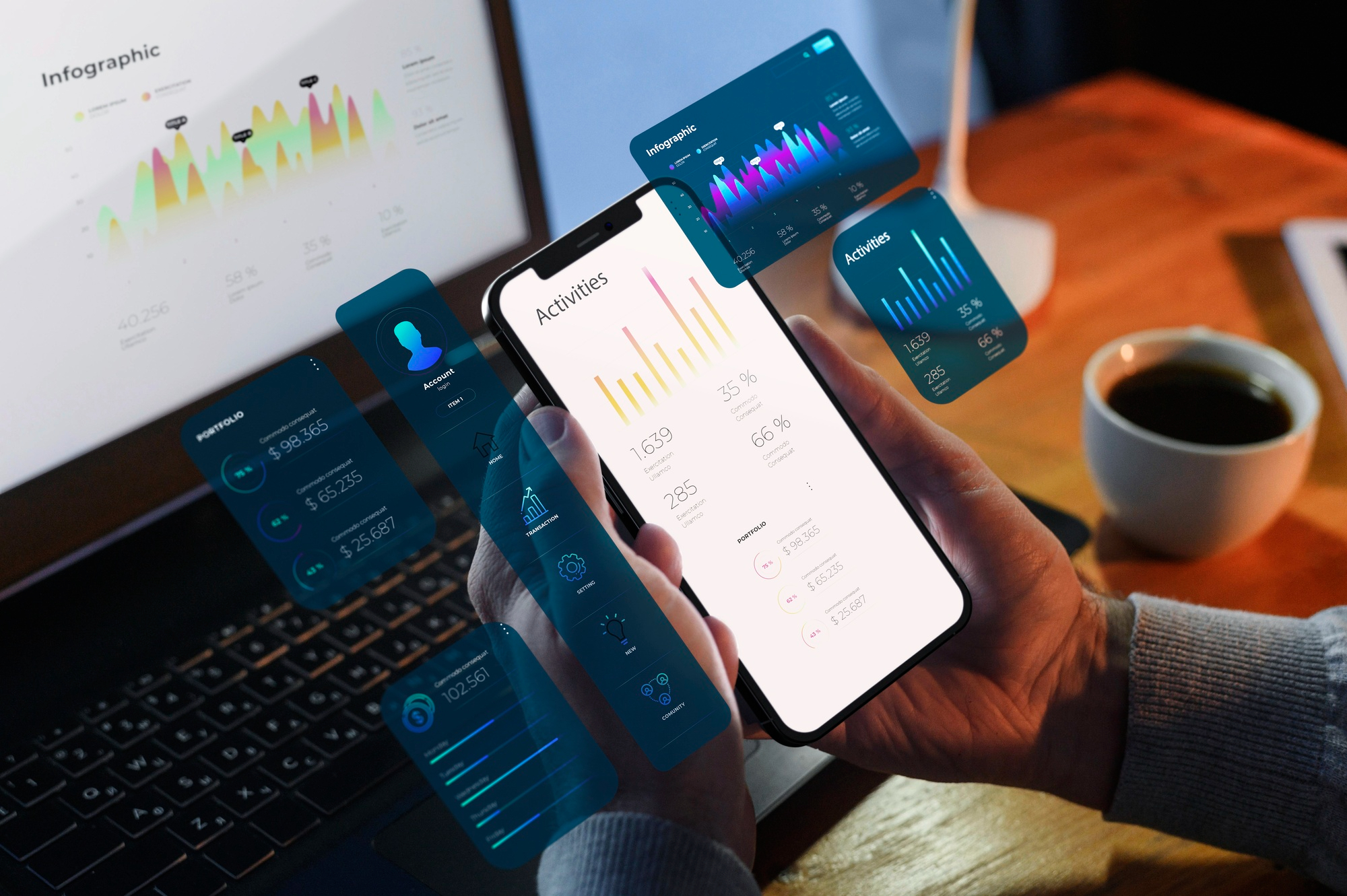
Kolkata has steadily grown into one of India’s preferred destinations for mobile app development. With a strong IT ecosystem, skilled professionals, and cost-effective services, the city offers an ideal environment for businesses looking to build high-quality iOS applications. Choosing an iOS app development company in Kolkata allows businesses to access technical expertise, innovation, and reliable delivery without high development costs. Below are the key reasons why businesses across India and abroad prefer iOS app development companies in Kolkata. Skilled and Experienced Developers Kolkata is home to a large pool of talented iOS developers who are highly skilled in Swift, Objective-C, and the latest Apple technologies. These professionals have experience working on a wide range of iOS applications, from simple business apps to complex enterprise-level solutions. Developers in Kolkata are well-versed in Apple’s strict design and security guidelines. This ensures that apps are not only high-performing but also fully compliant with App Store standards, reducing the chances of rejection during submission. Cost-Effective Development One of the biggest advantages of choosing an iOS app development company in Kolkata is affordability. Compared to other metro cities, development costs in Kolkata are significantly lower while maintaining high quality. Businesses can save on development expenses without compromising on app performance, security, or design. This makes Kolkata an ideal choice for startups, small businesses, and enterprises looking for budget-friendly yet professional iOS app development services. Latest Technologies and Tools An experienced iOS app development company in Kolkata uses modern tools, frameworks, and technologies to build future-ready applications. From the latest versions of iOS SDKs to advanced development frameworks, companies stay updated with Apple’s evolving ecosystem. This ensures apps are scalable, secure, and compatible with the newest iOS updates and devices. Using updated technologies also improves app performance and longevity. Timely Project Delivery Professional iOS app development companies in Kolkata follow structured development processes and agile methodologies. This allows them to plan projects effectively and deliver apps on time. Clear timelines, regular updates, and milestone-based development ensure transparency and smooth communication throughout the project. Timely delivery helps businesses launch their apps as planned and stay ahead of competitors. High-Quality UI/UX Design User experience is a critical factor in the success of any iOS app. iOS app development companies in Kolkata place strong emphasis on clean design, smooth navigation, and intuitive user interfaces. Designers follow Apple’s Human Interface Guidelines to create visually appealing and user-friendly apps. A well-designed UI/UX increases user engagement, retention, and overall app success. Strong Focus on Security Security is a top priority for iOS applications. iOS app development companies in Kolkata implement robust security measures such as data encryption, secure APIs, authentication systems, and regular security updates. These practices help protect sensitive user data and ensure compliance with industry standards. Strong security builds user trust and improves the app’s credibility in the market. Scalable and Flexible Solutions Businesses grow over time, and their apps should be able to grow with them. An iOS app development company in Kolkata builds scalable solutions that allow easy feature additions and performance upgrades. Whether you want to add new functionalities, support more users, or integrate third-party tools, custom iOS apps from Kolkata are designed to adapt to future business needs without major rework. End-to-End Development Services Most iOS app development companies in Kolkata offer complete development services under one roof. These services include requirement analysis, UI/UX design, app development, testing, App Store deployment, and post-launch support. This end-to-end approach simplifies the development process and ensures consistency across all stages of the project. Easy Communication and Collaboration Effective communication is essential for successful app development. iOS app development companies in Kolkata offer clear communication channels, regular progress updates, and dedicated project managers. Many companies work with international clients and follow global communication standards, making collaboration smooth and efficient across time zones. Post-Launch Support and Maintenance Launching an app is not the end of the journey. iOS app development companies in Kolkata provide ongoing maintenance and support services to ensure apps remain up-to-date and bug-free. Regular updates, performance optimization, and compatibility checks with new iOS versions help keep the app running smoothly and securely. Experience Across Multiple Industries iOS app development companies in Kolkata have experience working with various industries such as healthcare, e-commerce, education, finance, real estate, travel, and startups. This industry knowledge allows developers to understand business challenges and create apps that deliver real value to users and stakeholders. Global Client Exposure Many iOS app development companies in Kolkata serve clients from different countries, including the UK, USA, Australia, and the Middle East. This global exposure helps them understand international quality standards, user expectations, and business requirements. As a result, businesses receive world-class iOS apps that compete successfully in global markets. Conclusion Choosing an iOS app development company in Kolkata is a smart decision for businesses looking for quality, affordability, and reliability. With skilled developers, modern technologies, strong security practices, and cost-effective solutions, Kolkata offers everything needed to build successful iOS applications. Whether you are a startup or an established enterprise, partnering with an experienced iOS app development company in Kolkata can help you create high-performance, scalable, and user-friendly apps that support long-term business growth.