
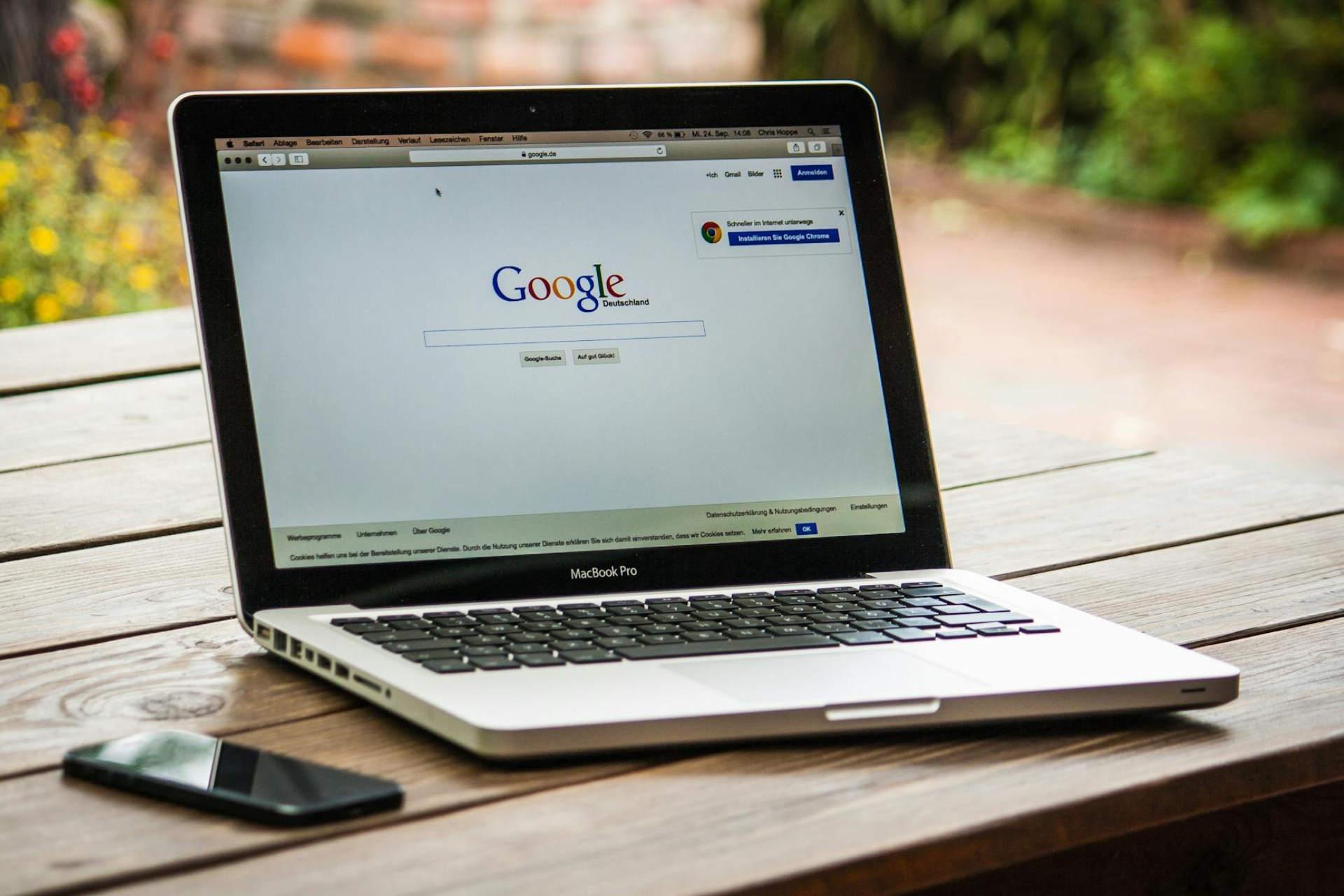
In today’s competitive digital world, every business wants more visibility, more traffic, and more customers. But the biggest question many business owners struggle with is: “Should I focus on SEO or SEM?” “Which one will give me better results?” To help you make the right decision, here’s a simple guide comparing SEO (Search Engine Optimization) and SEM (Search Engine Marketing)—so you can understand which one suits your business goals, budget, and timeline. What Is SEO? SEO (Search Engine Optimization) is the process of improving your website to rank higher on search engines like Google, Bing, and Yahoo—without paying for ads. SEO includes: When done correctly, SEO helps your website appear on the first page of Google for relevant search terms. Goal of SEO: Get long-term organic traffic Build credibility Rank higher on search engines What Is SEM? SEM (Search Engine Marketing) is a paid marketing technique that uses PPC (Pay-Per-Click) ads to show your website at the top of the search results. SEM includes: Goal of SEM: Get immediate visibility Drive instant traffic Run targeted campaigns While SEO takes time, SEM gives quick results—often within minutes of launching a campaign. Key Differences Between SEO and SEM Feature SEO SEM Cost Free traffic (but requires effort) Paid ads (you pay per click) Speed Slow but steady Fast results Long-term Value High Ends when ads stop Trust & Credibility Higher (organic results get more trust) Lower (ads feel promotional) Best For Long-term growth Quick leads and short-term campaigns Benefits of SEO 1. Long-Term Organic Traffic Once you rank on Google, you get consistent traffic without paying for each click. That’s why SEO is perfect for businesses that want sustainable growth. 2. Establishes Brand Authority Users trust organic results way more than sponsored ads. A high ranking increases your brand’s credibility. 3. Cost-Effective Marketing SEO requires time and strategy, without continuous ad spending. Long-term success is highly effective due to a high ROI. 4. More Clicks Than Ads Studies show that organic results get more clicks than paid ads because people generally trust natural results, rather than promoted ones. Benefits of SEM 1. Instant Visibility SEM puts your business on top of Google in minutes. This is useful when: 2. Highly Targeted Advertising SEM allows you to target users based on: This ensures your ads reach the right audience. 3. Easy to Track & Optimize With Google Ads analytics, you can track: This helps optimize your campaigns for better performance. 4. Perfect for Seasonal Promotions If you’re running festive or limited-time offers, SEM helps you attract customers instantly. SEO vs SEM: Which One Should You Choose? The answer depends on your: Let’s simplify it. Choose SEO If… You want long-term, stable growth You want to build strong brand visibility You want cost-effective marketing You don’t need instant results You want to outrank competitors over time Industries perfect for SEO: Choose SEM If… You need immediate traffic or leads You’re launching a new business or product You have a flexible paid ads budget You want fast results You’re targeting very competitive keywords Industries that benefit from SEM: The Smartest Strategy: Combine SEO + SEM If you want the best outcome, use both at the same time. Why? How SEO & SEM Work Together This combination is powerful because it helps in both short-term wins and long-term success. Cost Comparison: SEO vs SEM SEO Costs: No cost per click. Traffic is free once you start ranking. SEM Costs: Traffic stops if you stop paying for ads. Which One Gives Better ROI? Short-term ROI → SEM You see results fast, perfect for immediate lead generation. Long-term ROI → SEO Once you rank, the traffic and customers you get are extremely cost-effective. Final Thoughts There is no universal answer because every business is unique. But here’s a simple breakdown: If you have time but limited budget → Choose SEO If you need fast results and have budget → Choose SEM If you want the best growth → Combine SEO + SEM Both strategies are powerful in their own ways. The ideal approach depends on your business needs. SEO and SEM are not competitors—they are partners.While SEO builds your long-term visibility, SEM boosts your short-term results. Together, they help you reach more customers, increase brand awareness, and grow your business faster.Whether you’re a new business owner or an established brand, understanding SEO vs SEM is the first step to building a strong digital strategy.
Why Does Your Business Need a Responsive Website?
In this fast-moving digital world, your website is much more than just an online address; it is the first impression your business will make. From small and local shops, to growing startups and established enterprises, having a responsive website has stopped being optional. It’s a must-have when attracting customers, seeking better rankings on Google, and building long-term trust. If your questions are, “Why does my business need a responsive website?” or “How will responsive design impact my growth?”, then this blog will answer everything in simple, human-friendly language. What is a Responsive Website? A responsive website automatically adjusts its layout, images, content, and navigation based on the screen size a visitor is using. That means your site looks perfect on: No zooming, no side-scrolling, no messy layouts—just a smooth viewing experience. Why Every Business Needs a Responsive Website (Top Benefits) 1. Mobile Users Are Now the Majority More than 60% of all website traffic in the world comes through mobile. And if your website isn’t mobile-friendly, then you are automatically losing more than half of your potential customers. A responsive website ensures: 2. Google Prefers Responsive Websites Google now uses mobile-first indexing, meaning it ranks sites based on the mobile version. If your website isn’t responsive, you’ll struggle to appear on top search results. A responsive website helps improve: If you want to stay ahead in competitive markets like digital marketing, online retail, real estate, or hospitality—a responsive site is a must. 3. Better User Experience = More Conversions People judge your business in a matter of seconds once they land on your site. If your website is slow, cluttered, or distorted on mobile, people will leave it instantly. A responsive website improves: Better user experience means more: Customers stay longer on websites that are clean, attractive, and easy to use. 4. Faster Loading Speed Speed is everything online. Studies show that 53% of mobile visitors leave a site if it takes more than 3 seconds to load. Responsive websites use: This ensures your pages load quickly on all devices—leading to lower bounce rates and better SEO performance. 5. One Website for All Devices (Cost-Effective Solution) In the past, businesses built separate websites for desktop and mobile. That meant double the: A responsive website solves this problem by offering one powerful website that works on all devices. It’s easier, cheaper, and more effective in the long run. 6. Higher Engagement and Customer Retention A responsive website helps keep users on your site longer by offering: When users find your website comfortable, they are more likely to: This directly impacts your business growth. 7. A Professional Brand Image Your website reflects your brand. A non-responsive website looks outdated and unprofessional. A responsive website shows: A polished online presence builds trust and makes people more confident in choosing your services. 8. Improves Social Media Traffic Most users browse social media on mobile. If your posts or ads link to a non-responsive site, users will bounce instantly. A responsive website ensures that visitors coming from: …can browse smoothly and convert without issues. 9. Better Analytics and Tracking With one responsive website, you get a unified view of your: It becomes easier to make decisions and optimize your marketing strategies. 10. Future-Proof Your Business Technology keeps changing. Devices keep evolving. Screen sizes keep expanding. A responsive website adapts automatically to new devices without requiring redesigns. It’s a future-ready solution that keeps your online presence modern and stable. SEO Benefits of Having a Responsive Website If you want to rank on Google, a responsive website is one of the strongest SEO boosters. It helps with: Higher mobile ranking Improved page speed Lower bounce rates Better crawlability Stronger domain authority Consistent user engagement Google wants to provide the best experience to users. When your website aligns with that goal, your ranking improves automatically. Who Needs a Responsive Website? Every industry benefits from responsive design, including: If your goal is to attract customers, build credibility, and scale your online presence—a responsive website is the foundation. Signs Your Website Needs a Responsive Redesign If your website is showing any of these signs, it’s time for an upgrade: Takes too long to load Looks distorted on mobile Requires zooming to read text Has broken layouts or stretched images Navigation is complicated High bounce rate Low mobile traffic Poor Google ranking A responsive design can fix all of this and give your business a fresh identity online. How a Responsive Website Helps Your Business Grow Let’s keep it simple: A responsive website =More traffic + More engagement + More sales + Better SEO + Stronger brand image It helps you: In today’s digital world, a responsive website is a powerful growth engine. Final Thoughts Your website is often the first touchpoint between your brand and your customers. A responsive, modern, and user-friendly website ensures you make a strong and lasting impression. If you want your business to grow in 2025 and beyond, investing in a responsive website is one of the smartest decisions you can make.

The Role of SEO in Driving Organic Traffic
When it comes to the competitive digital age that we are living in today, if you are just building websites, this is not just insufficient. You have millions of websites fighting for the attention of potential visitors on a daily basis, which makes the websites that are easily accessible by the public achieve success. This is one realm where Search Engine Optimization is considered very essential. So, in this blog, we are going to discuss how search engine optimization contributes to organic traffic, why this is an important issue, and how organizations can benefit from search engine optimization techniques. What is Organic Traffic? Organic traffic is defined as traffic that reaches your website when people click on search engine listings that are free. If users want to search for information on search engines such as Google and Bing, and they click on a site that does not pay search engines to be at the top of their listings, they end up with organic traffic. Unlike paid traffic, organic traffic: Builds long-term visibility Delivers higher trust and credibility Has better conversion potential Offers a higher return on investment (ROI) Search Engine Optimization is the driving force behind generating this type of traffic. Why SEO Is Essential for Organic Traffic Growth For most businesses, search engines are a major source of website traffic. Various studies indicate that above 50% of all website traffic comes organically from search. SEO makes sure that your website appears in front of users at the important moment when they are searching for products, services, or information that is related to your business. Here’s why SEO is essential: Improves website visibility in search engines Attracts targeted and intent-driven users Builds brand authority and trust Reduces dependency on paid advertising Supports long-term digital growth How SEO Drives Organic Traffic Search Engine Optimization works through technical improvements, content optimization, and building of authority combined. Let’s break down how these elements contribute to organic traffic growth. 1. Keyword Research: Reaching the Right Audience Keyword research is the foundation of Search Engine Optimization. It helps businesses understand what users are searching for and how frequently those searches occur. By targeting the right keywords: Your website appears in relevant search results You attract users with genuine interest Content aligns with user intent (informational, navigational, or transactional) Effective keyword research focuses on: Short-tail and long-tail keywords Search intent Competition level Search volume When the content matches the search terms the user is looking for, it gives the site a good ranking from the search engines. This increases the amount of organic site traffic. 2. On-Page SEO: Optimizing Content for Search Engines On-page SEO refers to optimizing individual web pages so search engines can understand and rank them better. Key on-page SEO elements include: SEO-friendly title tags Meta descriptions Header tags (H1, H2, H3) Keyword-optimized content Internal linking Image alt text Clean URL structure Well-optimized pages help keep the pages more relevant and friendly to users, thereby supporting various search engines in matching the content of your website to user queries. This impacts organic traffic that comes to your site. 3. High-Quality Content: The Core of Organic Growth Content is the heart of SEO. Search engines prioritize websites that offer valuable, relevant, and informative content. High-quality content: Answers user questions Solves problems Encourages longer time on site Reduces bounce rate Increases social sharing and backlinks Content formats that drive organic traffic include: Blog posts How-to guides Case studies FAQs Pillar pages Evergreen content By consistently publishing optimized, user-focused content, businesses can attract steady organic traffic over time. 4. Technical SEO: Enhancing Website Performance Technical SEO ensures that your website is easy for search engines to crawl, index, and rank. Important technical SEO factors include: Website speed optimization Mobile responsiveness Secure HTTPS protocol XML sitemaps Clean site architecture Fixing broken links and errors A well-optimized website provides a smooth user experience, which search engines consider a major ranking factor. Websites that are faster and more accessible will, of course, attract and retain more visitors. 5. User Experience (UX) and SEO User experience and Search Engine Optimization are deeply interconnected. Search engines prioritize websites that deliver a positive experience to users. SEO-friendly UX includes: Easy navigation Clear call-to-actions Readable content structure Mobile-first design Fast loading pages When users stay longer, interact with content, and navigate multiple pages, it sends positive signals to search engines—helping boost rankings and organic traffic. 6. Link Building: Building Authority and Trust The importance of backlinks as an important factor in Search Engine Optimization will continue to impact SERP performance for many years to come. It is important to build quality relationships with high authority websites. If an authoritative website links back to your content, search engines are more likely to see your website as credible and reliable. Benefits of link building include: Higher domain authority Improved keyword rankings Referral traffic from other websites Increased brand credibility Quality matters more than quantity. A few authoritative backlinks can drive more organic traffic than dozens of low-quality links. 7. Local SEO: Driving Nearby Organic Traffic For businesses serving specific locations, local SEO plays a vital role in organic traffic growth. Local SEO strategies include: Google Business Profile optimization Local keyword targeting Location-based content Local citations Customer reviews By optimizing for local search, businesses can appear in “near me” searches and Google Maps results, attracting highly targeted organic traffic ready to convert. 8. SEO Analytics and Continuous Improvement Search Engine Optimization is not a one-time activity—it requires continuous monitoring and improvement. SEO analytics help track: Organic traffic growth Keyword rankings Click-through rates (CTR) Bounce rate Conversion performance Using tools like Google Analytics and Google Search Console allows businesses to identify what’s working and optimize strategies accordingly. Continuous optimization ensures consistent organic traffic growth over time. SEO vs Paid Traffic: Why Organic Wins Long-Term While paid ads can deliver instant traffic, SEO provides long-term sustainability. Factor SEO (Organic) Paid Ads Cost Long-term ROI