
In today’s competitive digital world, every business wants more visibility, more traffic, and more customers. But the biggest question many business owners struggle with is:
“Should I focus on SEO or SEM?”
“Which one will give me better results?”
To help you make the right decision, here’s a simple guide comparing SEO (Search Engine Optimization) and SEM (Search Engine Marketing)—so you can understand which one suits your business goals, budget, and timeline.
What Is SEO?
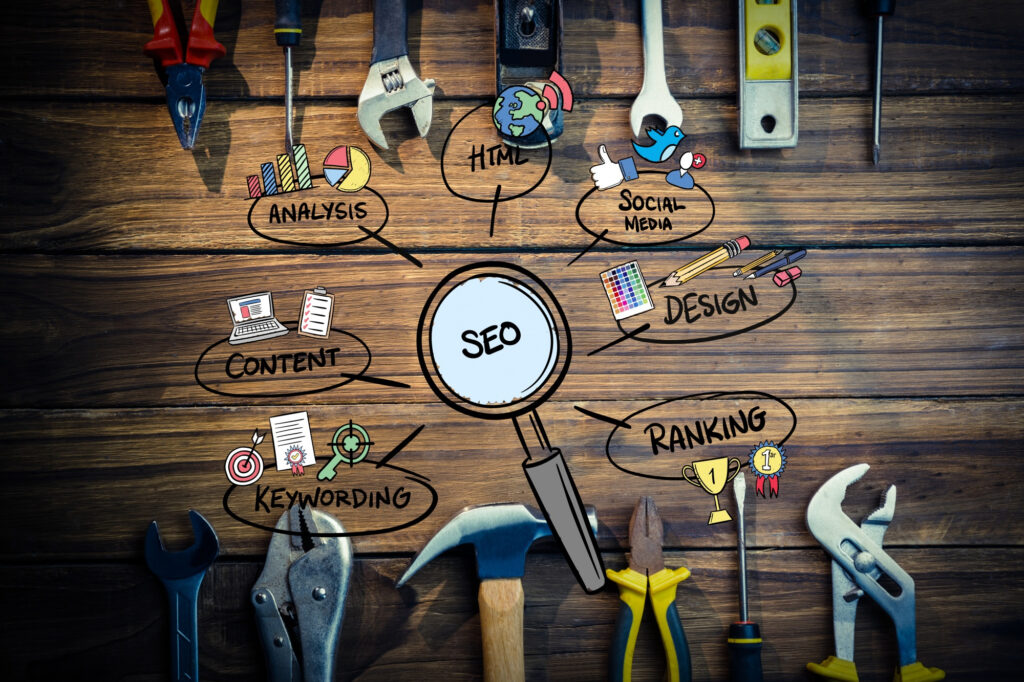
SEO (Search Engine Optimization) is the process of improving your website to rank higher on search engines like Google, Bing, and Yahoo—without paying for ads.
SEO includes:
- On-page optimization (keywords, content, meta tags)
- Technical SEO (site speed, mobile-friendliness, indexing)
- Off-page SEO (backlinks, social signals)
- Local SEO (Google My Business, local keywords)
When done correctly, SEO helps your website appear on the first page of Google for relevant search terms.
Goal of SEO:
- Get long-term organic traffic
- Build credibility
- Rank higher on search engines
What Is SEM?
SEM (Search Engine Marketing) is a paid marketing technique that uses PPC (Pay-Per-Click) ads to show your website at the top of the search results.
SEM includes:
- Google Search Ads
- Google Shopping Ads
- Display Ads
- Remarketing Ads
- YouTube Ads
Goal of SEM:
- Get immediate visibility
- Drive instant traffic
- Run targeted campaigns
While SEO takes time, SEM gives quick results—often within minutes of launching a campaign.
Key Differences Between SEO and SEM
| Feature | SEO | SEM |
| Cost | Free traffic (but requires effort) | Paid ads (you pay per click) |
| Speed | Slow but steady | Fast results |
| Long-term Value | High | Ends when ads stop |
| Trust & Credibility | Higher (organic results get more trust) | Lower (ads feel promotional) |
| Best For | Long-term growth | Quick leads and short-term campaigns |
Benefits of SEO
1. Long-Term Organic Traffic
Once you rank on Google, you get consistent traffic without paying for each click. That’s why SEO is perfect for businesses that want sustainable growth.
2. Establishes Brand Authority
Users trust organic results way more than sponsored ads. A high ranking increases your brand’s credibility.
3. Cost-Effective Marketing
SEO requires time and strategy, without continuous ad spending. Long-term success is highly effective due to a high ROI.
4. More Clicks Than Ads
Studies show that organic results get more clicks than paid ads because people generally trust natural results, rather than promoted ones.
Benefits of SEM
1. Instant Visibility
SEM puts your business on top of Google in minutes. This is useful when:
- You’re launching a new product
- You need results fast
- You’re targeting competitive keywords
2. Highly Targeted Advertising
SEM allows you to target users based on:
- Location
- Age
- Interests
- Search intent
- Device type
This ensures your ads reach the right audience.
3. Easy to Track & Optimize
With Google Ads analytics, you can track:
- Clicks
- Conversions
- Leads
- Cost per result
This helps optimize your campaigns for better performance.
4. Perfect for Seasonal Promotions
If you’re running festive or limited-time offers, SEM helps you attract customers instantly.
SEO vs SEM: Which One Should You Choose?
The answer depends on your:
- Business goals
- Budget
- Timeline
- Competition
- Market type
Let’s simplify it.
Choose SEO If…
- You want long-term, stable growth
- You want to build strong brand visibility
- You want cost-effective marketing
- You don’t need instant results
- You want to outrank competitors over time
Industries perfect for SEO:
- Local businesses
- Service providers
- Real estate
- Technology companies
- E-commerce stores
- Professional services (lawyers, doctors, consultants)
Choose SEM If…
- You need immediate traffic or leads
- You’re launching a new business or product
- You have a flexible paid ads budget
- You want fast results
- You’re targeting very competitive keywords
Industries that benefit from SEM:
- E-commerce
- Travel & hotels
- Events & promotions
- Competitive niches (insurance, finance, loans)
The Smartest Strategy: Combine SEO + SEM
If you want the best outcome, use both at the same time.
Why?
- SEM gives you instant visibility
- SEO gives you long-term growth
- Together, they help dominate search results
How SEO & SEM Work Together
- Use SEM to drive quick leads while SEO builds your organic ranking
- Test keywords with SEM before using them in SEO content
- Gain brand visibility through both paid and organic results
- Collect data from SEM to improve SEO strategy
This combination is powerful because it helps in both short-term wins and long-term success.
Cost Comparison: SEO vs SEM
SEO Costs:
- Content writing
- Technical optimization
- Link-building
- Monthly service fees
No cost per click.
Traffic is free once you start ranking.
SEM Costs:
- Pay-per-click charges
- Ad budget
- Campaign management fees
Traffic stops if you stop paying for ads.
Which One Gives Better ROI?
Short-term ROI → SEM
You see results fast, perfect for immediate lead generation.
Long-term ROI → SEO
Once you rank, the traffic and customers you get are extremely cost-effective.
Final Thoughts
There is no universal answer because every business is unique.
But here’s a simple breakdown:
If you have time but limited budget → Choose SEO
If you need fast results and have budget → Choose SEM
If you want the best growth → Combine SEO + SEM
Both strategies are powerful in their own ways. The ideal approach depends on your business needs.
SEO and SEM are not competitors—they are partners.
While SEO builds your long-term visibility, SEM boosts your short-term results. Together, they help you reach more customers, increase brand awareness, and grow your business faster.Whether you’re a new business owner or an established brand, understanding SEO vs SEM is the first step to building a strong digital strategy.