

The way people shop online is changing faster than ever. Today, customers don’t want to leave their favorite social media apps to buy products. They want to discover, explore, and purchase—all in one place. This shift has given rise to a powerful trend known as Social Commerce.
Social media platforms are no longer just for likes, comments, and shares. They are now full-fledged shopping destinations. Businesses that understand and adopt this trend are gaining more visibility, higher engagement, and better sales results.
In this blog, we’ll explain how Instagram and Facebook are transforming into marketplaces, and how businesses can use this opportunity to grow.
What Is Social Commerce?
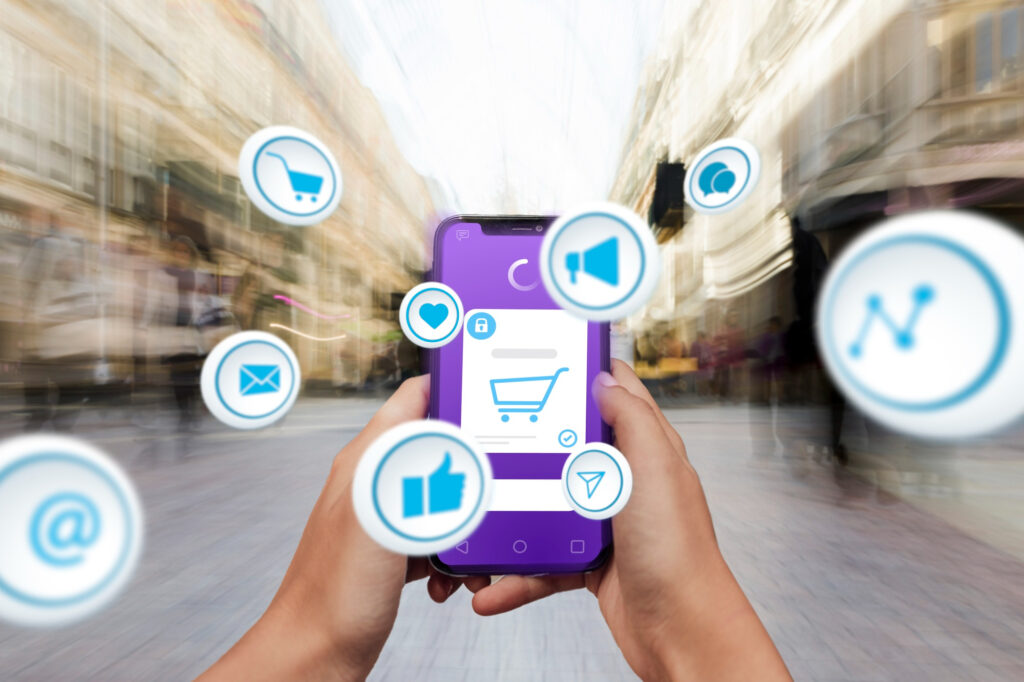
Social commerce means selling products directly through social media platforms. Instead of redirecting users to a separate website, customers can browse products, check prices, read reviews, and complete purchases without leaving the app.
Its highlights this shift where social media and eCommerce merge into one smooth experience.
This approach reduces friction, saves time, and feels more natural to users—especially mobile shoppers.
Why Social Commerce Is Growing So Fast
Social commerce is growing because of changing consumer behavior. People spend hours every day on social media, scrolling through content, watching videos, and engaging with brands.
Here are some key reasons why it is a major digital marketing trend:
- People trust social proof like comments, likes, and reviews
- Mobile shopping is increasing worldwide
- Short videos and visual content influence buying decisions
- Instant checkout improves conversion rates
Social media platforms noticed this behavior and built tools that turn browsing into buying.

How Instagram Is Becoming a Marketplace
Instagram has evolved from a photo-sharing app into a powerful shopping platform. Today, brands can set up full stores inside Instagram.
Instagram Shops
Instagram Shops allow businesses to create a digital storefront on their profile. Users can explore products, tap on items, and see details without leaving the app.
This is a major example of Social Commerce in action.
Shoppable Posts and Reels
Brands can tag products directly in posts, stories, and reels. When users tap on a product tag, they can see pricing and purchase options instantly.
Shoppable content blends naturally with entertainment, making shopping feel less like advertising.
Influencer-Driven Shopping
Influencers play a big role in Instagram commerce. When creators tag products in their content, followers are more likely to trust and buy them.
This combination of influence and convenience strengthens Social Commerce.
How Facebook Is Turning Into a Shopping Hub
Facebook remains one of the strongest platforms for online selling, especially for businesses targeting local and global audiences.
Facebook Shops
Facebook Shops allow businesses to showcase their products directly on their Facebook page. Customers can browse collections, message sellers, and make purchases easily.
This feature supports the core idea behind this is shopping without interruption.
Marketplace and Groups
Facebook Marketplace connects buyers and sellers in local communities. Additionally, Facebook Groups help businesses promote products to niche audiences with shared interests.
These features make Facebook a complete commerce ecosystem.
Integrated Messaging for Sales
With Messenger and WhatsApp integration, businesses can answer queries, send product links, and close sales in real time. This personal interaction boosts trust and conversions.
Benefits of Social Commerce for Businesses
Adopting Social Commerce offers several advantages for businesses of all sizes.
Higher Engagement
Shoppable content encourages interaction. Likes, shares, comments, and saves increase visibility and organic reach.
Better Conversion Rates
Fewer steps in the buying journey mean fewer drop-offs. Customers can move from discovery to purchase instantly.
Mobile-First Experience
Social commerce is designed for mobile users, which aligns perfectly with modern shopping habits.
Stronger Brand Trust
User-generated content, reviews, and influencer endorsements build credibility and confidence.
How Social Commerce Improves Customer Experience
Customer experience is at the heart of Social Commerce.
Instead of forcing users to visit multiple pages, social commerce provides:
- Instant product discovery
- Simple navigation
- Fast checkout
- Real-time communication
This seamless experience increases customer satisfaction and repeat purchases.
Role of Content in Social Commerce Success
Content plays a major role in social commerce performance. High-quality visuals, short videos, and storytelling drive buying decisions.
To succeed with in Instagram & Facebook, brands should focus on:
- Reels and short videos
- Product demonstrations
- Customer testimonials
- Behind-the-scenes content
Content should feel authentic, not overly promotional.
Importance of Paid Ads in Social Commerce
Organic reach alone is not enough. Paid advertising boosts visibility and accelerates results.
Instagram and Facebook ads allow businesses to:
- Target specific audiences
- Retarget interested users
- Promote shoppable posts
- Track conversions accurately
Paid campaigns strengthen Instagram & Facebook by reaching the right customers at the right time.
Challenges of Social Commerce
While social commerce offers many benefits, it also comes with challenges.
High Competition
More brands are entering social commerce, making it harder to stand out.
Platform Dependency
Businesses rely heavily on platform algorithms and policies.
Trust and Security Concerns
Some users hesitate to make purchases directly through social apps.
However, with the right strategy, these challenges can be managed effectively.
Best Practices for Social Commerce Success
To fully benefit from Social Commerce, businesses should follow these best practices:
- Optimize product catalogs with clear images and descriptions
- Use consistent branding across platforms
- Leverage influencers and user-generated content
- Combine organic content with paid ads
- Monitor analytics and optimize performance regularly
A data-driven approach ensures long-term success.
Social Commerce for Small and Local Businesses
Social commerce is not only for big brands. Small and local businesses can benefit even more.
With low setup costs and precise targeting helps small businesses compete with larger companies.
Local sellers can reach nearby customers, build relationships, and grow sales without expensive infrastructure.
The Future of Social Commerce
The future of social commerce looks promising. New features like AI-based recommendations, live shopping, and AR product previews are already emerging. As platforms evolve, it will continue to shape how people shop online.
Businesses that adapt early will gain a strong competitive edge.
Conclusion
Social media is no longer just a place to connect—it’s a place to sell. Its clearly shows how these platforms are transforming into powerful sales channels.
By combining engaging content, seamless shopping experiences, and smart marketing strategies, businesses can turn followers into loyal customers.
If your brand is not using social commerce yet, now is the perfect time to start. The future of online shopping is social—and it’s already here.